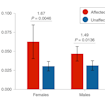
Assessing network and synaptic communication in the hippocampus of behaving Fmr-1 null mice, André Fenton and colleagues showed altered network communication linked to behavioral alterations in fragile X syndrome.
Highlights of SFARI-funded papers, selected by the SFARI science team.

Assessing network and synaptic communication in the hippocampus of behaving Fmr-1 null mice, André Fenton and colleagues showed altered network communication linked to behavioral alterations in fragile X syndrome.

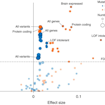
In comparing gene expression profiles and SNP risk across psychiatric disorders, Michael Gandal, Daniel Geschwind and colleagues found that shared genetic risk manifests in alterations in gene networks.

Using a mouse lacking brain-localized NHE9, Edwards shows that pH gradients affect neuronal communication and autism-like behaviors.

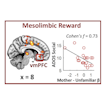
By assessing the 16p11.2 deletion autism mouse model, Ted Abel and colleagues uncover male-specific vulnerabilities in striatal signaling and reward function.

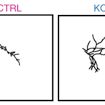
Lauren Weiss and Erik Ullian report on two studies using carrier-derived iPSC neurons to elucidate cellular phenotypes associated with 16p11.2 CNVs and a BRAF RASopathy mutation.

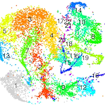
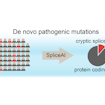
Evan Eichler and Robert Darnell provide deep whole genome sequencing of 516 families with idiopathic autism, providing insights into the complex etiology of simplex autism.

Robert Malenka and colleagues find that oxytocin acts within the ventral tegmental area to increase dopamine reward neurons to reinforce the rewarding aspects of social interactions in mice.

Jun Huh, Gloria Choi and colleagues provide a link between maternal infection, gut bacteria and the risk of developing behavioral and cortical abnormalities in mice.