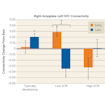
Susan Bookheimer and colleagues show that the degree of sensory overresponsivity in individuals with autism may be driven by distinct patterns of connectivity between the prefrontal cortex and amygdala.

Susan Bookheimer and colleagues show that the degree of sensory overresponsivity in individuals with autism may be driven by distinct patterns of connectivity between the prefrontal cortex and amygdala.

SFARI Investigator Dan Feldman discusses the E-I ratio hypothesis in autism and his lab’s recent studies that aimed to test it.

SFARI is now accepting applications for the Winter 2020 Pilot Award RFA. This award is especially suited for proposals with exploratory ideas and novel hypotheses for autism.

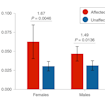
Timothy Yu and colleagues analyzed exome sequencing data to estimate that recessive mutations contribute to approximately 5 percent of all cases of autism, including 10 percent of females.

SFARI is pleased to announce that it intends to fund nine grants in response to the 2019 Research Award request for applications.

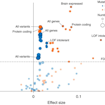
Olga Troyanskaya, Robert Darnell and colleagues applied deep-learning methods to whole-genome sequencing data from SSC families and identified a clear enrichment for de novo noncoding variation in ASD.

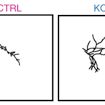
James Ellis and colleagues used a sparse co-culture system for iPSC-derived cortical neurons to assess neuronal connectivity, demonstrating increased connectivity in SHANK2-mediated ASD.

This issue of the SFARI newsletter includes: (1) SPARK update, (2) Autism BrainNet establishes collaboration with the Douglas-Bell Canada Brain Bank, (3) SFARI Gene: New data release, (4) SFARI Investigators elected to the National Academy of Sciences, (5) SFARI Investigators elected to the American Academy of Arts & Sciences, (6) SFARI fall 2018 science meeting report, (7) A Conversation with SFARI Bridge to Independence Investigator Seth Shipman, (8) 2019 Bridge to Independence Award – Request for applications, (9) Highlights of SFARI-funded research, (10) Upcoming webinar: “SFARI Viewer – an online platform to visualize and analyze SFARI genomic data”, (11) Past lecture: David Van Essen, “Mapping human cerebral cortex: Structure, function, connectivity, development and evolution”, (12) Recent media coverage of SFARI.

Mark Zylka and colleagues generated single-cell RNA-seq data from wild-type mouse cortex during early development and demonstrated how such a resource can be used to identify putative brain disorder subtypes based on expression profiles.

On June 14, 2019, Alistair Ward and Chase Miller will introduce SFARI Viewer and show how this online platform can be used to visualize and analyze genomic and phenotypic data from the SSC and SPARK.