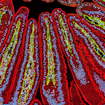
Daniel Geschwind, Michael Gandal and colleagues reported that allelic imbalance in gene expression in ASD shows a surprising preference for the minor allele and implicates a family of snoRNAs at 15q11-13.

Daniel Geschwind, Michael Gandal and colleagues reported that allelic imbalance in gene expression in ASD shows a surprising preference for the minor allele and implicates a family of snoRNAs at 15q11-13.

SFARI is now accepting applications for the 2020 Research Award RFA. This award is intended to provide support for the investigation of key unresolved research questions in autism, particularly those that connect etiology to brain function and behavior.

Six current and past SFARI Investigators were among the 100 newly elected members of the National Academy of Medicine.

In this blog post, Wendy Chung and John Spiro outline some of the important ways in which the Simons Searchlight program has been recently expanded, including increasing the number of genes and copy number variants that are being studied.

This issue of the SFARI newsletter includes: (1) Summer 2019 Pilot awardees, (2) SPARK pilot study identifies novel candidate autism risk genes, (3) Simons VIP rebranded as Simons Searchlight, (4) Simons Searchlight: New data release, (5) Presentations by SFARI Investigators at ASHG 2019, (6) Presentations by SFARI Investigators at Neuroscience 2019, (7) Highlights of SFARI-funded research, (8) SFARI Social at Neuroscience 2019, (9) Simons Foundation Tech Open House, (10) Upcoming lecture: Gloria Choi, “Neuroimmune interactions shaping social behavior in mouse models for neurodevelopmental disorders”.
A number of SFARI Investigators, collaborators and Simons Foundation scientists will present their latest research findings related to the genomic and transcriptomic architecture of autism spectrum disorder and other neurodevelopmental conditions at the 2019 annual meeting of the American Society of Human Genetics (ASHG), which will be held October 15–19 in Houston, TX.

SFARI is pleased to announce that is intends to fund 12 grants in response to the Summer 2019 Pilot Award request for applications.

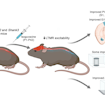
David Ginty and colleagues have identified mechanisms through which peripheral loss of ASD-associated genes affect behaviors in mice and identify a potential peripherally restricted therapy to treat tactile over-reactivity and select ASD-related behaviors.

Matthew Goodwin, Matthew Siegel and colleagues found that data from a wearable biosensor can be used to accurately predict aggressive behavior up to one minute before it occurs.

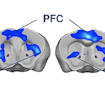
Alessandro Gozzi and colleagues found that Shank3-deficient mice have disrupted frontocortical functional connectivity, which is associated with impaired communication and social behaviors.