Study using SPARK data uncovers new inherited genetic risks for autism
A recent study has uncovered new ASD inherited genetic risk variants. Over of the 50 percent of the genetic data used in the study came from SPARK.
A recent study has uncovered new ASD inherited genetic risk variants. Over of the 50 percent of the genetic data used in the study came from SPARK.
Michael Platt and colleagues found that monkeys create complex internal representations of social situations and uncovered neural circuitry supporting social cooperation.

SFARI consultant-in-residence Gaspar Taroncher-Oldenburg discusses his work and collaboration with the Simons Foundation Flatiron Institute to study the microbiome and its potential implications for ASD research.
A number of SFARI Investigators, collaborators and Simons Foundation scientists will present their latest research findings at the American Society of Human Genetics (ASHG) 2021 Virtual Meeting, which will be held October 18–22.
SFARI held a virtual version of its spring science meeting in a series of four webinars in April and May 2021. The webinars were organized around themes of importance in autism research, including biological convergence, sensory sensitivity, treatment development and genetic risk.
This issue of the SFARI newsletter includes: (1) SFARI 2021 Bridge to Independence fellows announced, (2) SFARI announces the awardees of the Supplemental Funding for Studies of Maternal COVID-19 as a Potential Risk for Autism, (3) SPARK: Five years accelerating autism gene discovery and research, (4) SFARI workshop explores sleep challenges in autism spectrum disorder, (5) A Conversation with SFARI BTI and SEED awardee J. Elliott Robinson, (6) Highlights of SFARI-funded research, (7) Autism Rat Models Consortium – Request for applications, (8) SFARI Supplement to Enhance Equity and Diversity – Request for applications, (9) SPARK Research Match Diversity, Equity and Inclusivity – Request for applications.

On June 25 and 28, 2021, SFARI hosted a workshop to discuss sleep challenges in autism and learn more about ways to improve sleep quality in individuals with the condition. The workshop gathered nearly 40 attendees, including academic researchers, pharmaceutical companies, family organizations and SFARI staff.

J. Elliott Robinson talks about his lab’s work on the neural circuits involved in neurofibromatosis type 1 and developing gene therapy treatments for the condition, and how the SFARI BTI and SEED awards have aided these efforts.
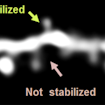
Stelios Smirnakis and Huda Zoghbi observed an increase in the formation and stabilization of dendritic spine clusters in the cortex of MECP2 duplication syndrome mice.
Evan Eichler and colleagues used targeted sequencing in large neurodevelopmental cohorts, including SPARK, to identify new risk genes and relate genotype to phenotypic presentation.