Dendritic integration dysfunction in neurodevelopmental disorders.

Autism Rat Models Consortium — Request for Applications
SFARI launched the Autism Rat Models Consortium (ARC) in 2022 with a group of researchers funded through the original Autism Rat Models Consortium RFA. These researchers are using rats generated with SFARI funding that carry mutations in high-confidence genes that in humans significantly increase the likelihood of developing autism and related NDD. As part of the consortium, these same rat models are being evaluated through a comprehensive behavioral phenotyping pipeline established by the Simons Initiative for the Developing Brain (SIDB).
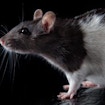
SFARI workshop explores the use of rat models in autism research
On April 26 and 29, 2021, SFARI and the Simons Initiative for the Developing Brain hosted a virtual workshop that focused on the use of rats as a model system for autism spectrum disorder. The workshop discussed advantages and limitations of using rat models, evaluated the need for cross-species studies and considered strategies to move the field forward.

Bence Ölveczky, Ph.D.
Bence Ölveczky is a professor in the Department of Organismic and Evolutionary Biology at Harvard University. A mechanical engineer by training, Ölveczky earned his Ph.D. in neuroscience from Harvard University working with Markus Meister on motion processing in the retina. As a junior fellow in the Harvard Society of Fellows, Ölveczky worked with Michale Fee at the Massachusetts Institute of Technology on the neural mechanisms of vocal learning in songbirds.

SFARI continues support of Summer Undergraduate Research Program
In conjunction with leading universities across the county, SFARI works to provide undergraduates with an opportunity to advance their careers in autism science while promoting diversity in the field through the Summer Undergraduate Research Program.
A large-scale investigation into the role of classical HLA loci in multiple types of severe infections, with a focus on overlaps with autoimmune and mental disorders.
Differences in subcortico-cortical interactions identified from connectome and microcircuit models in autism.
Rare deleterious mutations of HNRNP genes result in shared neurodevelopmental disorders.
Neuron type-specific roles of Ube3a: Excitatory-inhibitory imbalance and seizures
Seizures are an extreme outcome of excitatory-inhibitory imbalance and are the most common neurological complication in autism spectrum disorder (ASD). Seizures are even more common in syndromic forms of ASD such as Angelman syndrome. In the current project, Ben Philpot’s laboratory aims to identify the circuitry and protein pathways underlying seizures in a mouse model of Angelman syndrome, with the goal of identifying disease-modifying targets to treat seizures. The mechanistic insights yielded by these studies may further guide therapeutically oriented investigations of excitatory-inhibitory imbalance across the broader spectrum of ASDs.
SFARI April 2021 announcements: Updates to SFARI’s 2021 requests for grant applications, SFARI 2020 Director Awards and more
This issue of the SFARI newsletter includes: (1) Updates to SFARI’s 2021 requests for grant applications, (2) SFARI 2020 Director Awards announced, (3) A message from SFARI regarding anti-Asian violence, (4) Simons Searchlight: April 2021 data release, (5) SFARI meeting report: SFARI Fall 2020 science meeting highlights new developments in autism research, (6) A Conversation with SFARI Bridge to Independence Investigator Aakanksha Singhvi, (7) Highlights of SFARI-funded research, (8) 2021 Human Cognitive and Behavioral Science — Request for applications, (9) 2021 Pilot Award — Request for applications, (10) SFARI Supplement to Enhance Equity and Diversity (SEED) — Request for applications, (11) Upcoming lecture: Jake Gratten and Naomi Wray, “New research results from the Australian Autism Biobank Study, (12) Upcoming lecture: Federico Bolognani, Stuart Cobb, Yael Weiss, and Randal Carpenter, “Small molecules, genes and antisense oligonucleotides: Industry perspectives on treatment development for ASD, (13) Upcoming lecture: David Ledbetter, Joseph Buxbaum, and Heather Mefford, “What do we mean by ‘autism risk genes’?”, (14) Past lecture: Elizabeth Berry-Kravis, “Clinical trials and cyclic AMP in fragile X syndrome: A life journey”.
- Previous Page
- Viewing
- Next Page