
Grant Policies and Procedures
The goal of this award is to increase use of large, publicly available data resources by supporting investigators to allocate time and personnel toward working in and publishing from these previously collected data. Applications should leverage existing publicly accessible datasets to ask new questions and extract new knowledge. Priority will be given to applications that use SFARI-supported resources, although all applications will be considered as long as data are publicly accessible at the time of application. Proposed questions should be relevant to SFARI’s mission.


Grants awarded through this request for applications (RFA) are intended to recharge and extend a consortium of researchers using rats as an experimental system to advance our understanding of the behavioral and circuit neuroscience mechanisms underlying autism and related neurodevelopmental disorders (NDD).

This RFA was intended for proposals requesting support of exploratory experiments that will strengthen hypotheses and lead to the formulation of competitive applications for subsequent larger-scale funding by SFARI or other organizations. Innovative, high-risk/high-impact proposals were encouraged. We especially encouraged applications from investigators who are new to the field of autism, but who have expertise that could be brought to bear on this complex disorder.
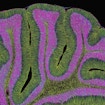
Grants awarded through this RFA were intended to advance the understanding of autism spectrum disorder through analyses of human postmortem brain tissue donated to the Autism BrainNet collection.

Grants awarded through this RFA were intended to improve our understanding of the molecular and cellular consequences of genetic risk for ASD, and to provide a foundation for the development of new therapies. Special emphasis was placed on the use of scalable methods, especially as applied to genes that are suitable targets for genetic therapies.

Grants awarded through this RFA supplemented funding from other agencies for ongoing pregnancy cohorts to broaden biospecimen collection and to extend post-natal family tracking. These cohorts and biospecimen collections can be leveraged in future research to understand the effects of gestational infection and inflammation on autism risk in children.